
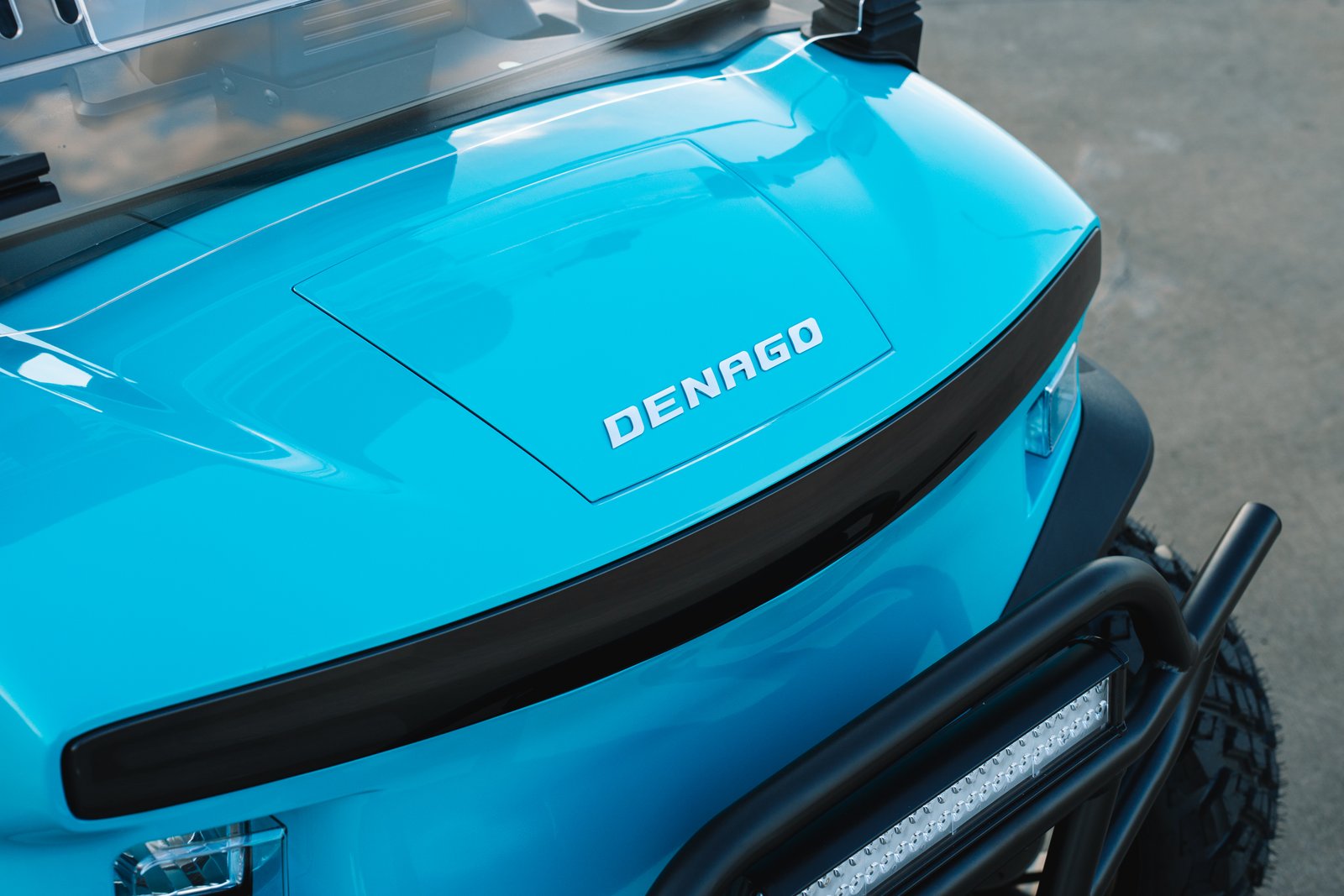
Electric golf carts in Michigan face a harder climate than almost anywhere else in the continental United States. Winters bring sub-zero temperatures that drain batteries, freeze lubricants, and corrode electrical connections. Summers bring heat and humidity that stress the same components from the opposite direction. Skipping seasonal maintenance doesn't just shorten your cart's life—it can leave you with a dead vehicle on the first warm weekend of spring when you actually want to use it. Here's what to do, and when.
Why Michigan's Climate Is Uniquely Hard on Electric Carts
Lead-acid batteries—still standard on many entry-level golf carts—lose a meaningful share of their usable capacity as the temperature drops, and the colder it gets the steeper the loss. A cart that gets its full rated range on a mild day will get noticeably less on a Michigan January morning, and a battery that is already weak may not turn the cart over at all. This is battery chemistry rather than a fault, which is why winter range complaints and dead-battery calls arrive together every January.
Lithium iron phosphate (LiFePO4) batteries fare better: they retain roughly 80–85% of rated capacity down to 0°F and suffer less permanent degradation from cold storage. But they still require proper storage protocols in Michigan winters, and they are not immune to freeze damage if left fully discharged in extreme cold.
Dr. Venkat Srinivasan, Director of the Argonne Collaborative Center for Energy Storage Science at Argonne National Laboratory, has noted in published research that repeated deep discharge of lithium batteries in sub-zero temperatures causes permanent dendrite formation that reduces capacity with each cycle—making storage state-of-charge one of the most important variables Michigan owners can control.
Fall Winterization: What to Do Before the First Hard Freeze
The window for proper winterization in Michigan is roughly late October through early November, before overnight temperatures drop consistently below 20°F. Do this before storage, not after the first freeze.
- Charge the battery to 50–80% state of charge. Do not store at 100% or near 0%. Both extremes accelerate degradation during extended storage. For lead-acid batteries, store fully charged and plan to recharge every 4–6 weeks. For lithium, 50–70% is the ideal storage range.
- Clean all battery terminals and cable connections. Use a wire brush and baking soda solution to remove corrosion. Apply a thin coat of petroleum jelly or dielectric grease after cleaning to prevent re-oxidation during storage.
- Check and fill lead-acid battery water levels. Distilled water only—tap water introduces minerals that reduce battery life. Fill to the manufacturer's fill line, no more. Overfilled cells freeze more easily.
- Inspect and clean the motor and controller area. Blow out debris with compressed air. Check for cracked insulation or loose wiring before putting the cart away for winter—wet spring conditions are not the time to discover a wiring problem.
- Lubricate moving parts. Front wheel bearings, rear axle, steering components, and brake cables all need lubrication with a low-temperature grease appropriate for Michigan conditions. Standard grease thickens below 20°F and offers limited protection.
- Inflate tires to the upper end of the recommended range. Cold air contracts—tires inflated normally in fall will be underinflated by spring. Slightly over-inflating before storage compensates.
- Disconnect the main battery cable or use a battery disconnect switch. Even in storage, small parasitic draws from the controller and any accessories will drain a battery over several months.
- Cover the cart. Use a vented cart cover to prevent moisture buildup and protect against dust, rodents, and physical damage. If storing outdoors, use a waterproof cover with tie-downs rated for Michigan wind.
Spring Startup: The 10-Point Checkout
Before you take a cart out in spring, give it a proper inspection. A cart that sat all winter needs to be checked, not just plugged in and driven.
- Check battery water levels (lead-acid). Add distilled water if cells are below the fill line.
- Fully charge the battery and measure voltage under load. A 48V lead-acid pack should read 51–52V fully charged and maintain above 46V under light load. Significant voltage drop under load indicates a weak or failing cell.
- Inspect all battery connections for corrosion—the freeze-thaw cycle accelerates oxidation. Reclean and regrease any corroded terminals.
- Inspect tires for cracking and proper inflation.
- Test all lights, turn signals, and horn if equipped.
- Check brake function—cables contract and adjust during cold; spring inspection often finds loose rear brakes.
- Inspect the charger cord and charging port for any damage from storage.
- Check for rodent damage inside the cart body. Mice regularly nest in golf cart storage areas and chew wiring and insulation.
- Lubricate the accelerator pedal pivot and steering column.
- Test drive at low speed in a safe area before loading passengers.
Summer and Active-Season Maintenance
Michigan's July and August heat creates its own maintenance demands—particularly for battery longevity.
- Charge at night when temperatures are lower. Charging generates heat. Charging a hot battery in an 85°F garage accelerates cell degradation faster than cold-weather storage.
- Don't leave the cart fully charged for extended periods. If you're not using it for more than a week, drop the charge to 70–80%. Continuous 100% charge state stresses the cells.
- Check tire pressure monthly. Hot pavement and air expansion can push tire pressure above safe limits in summer.
- Inspect the motor ventilation path. Heat is the primary cause of motor brushes and controller degradation in summer. Keep the motor area clear of debris.
- Rinse the undercarriage after driving on sandy or gravelly Michigan trails. Abrasive grit in wheel bearings and brake drums accelerates wear significantly faster than typical use.
Battery Replacement: Knowing When It's Time
A lead-acid golf cart battery pack typically lasts 4–6 years with proper maintenance in Michigan conditions—roughly 500–750 charge cycles. Lithium packs last significantly longer, often 1,500–2,000+ cycles. Signs that a lead-acid pack needs replacement: range has dropped to under 50% of its original distance, the charger runs for unusually long times, or individual batteries show swelling or leakage.
When replacing, replace all batteries in the pack at the same time. Mixing old and new batteries causes the new ones to carry disproportionate load, shortening their life to match the weakest cell in the pack.
FAQ
Can I leave my electric golf cart outside in a Michigan winter?
Not recommended, but survivable if you prepare it properly. If outdoor storage is the only option, use a waterproof cover, disconnect the battery, and plan to check and recharge the battery at least once every 4–6 weeks during the winter. A garage or shed dramatically extends battery life compared to outdoor storage in sub-zero temperatures.
How often should I charge my golf cart battery during winter storage?
For lead-acid batteries: every 4–6 weeks, bring the battery to full charge and let the charger complete its cycle. For lithium batteries stored at 50–70%: a maintenance charge every 2–3 months is sufficient, and many modern lithium packs have a battery management system (BMS) that handles this automatically.
Is it worth upgrading from lead-acid to lithium in Michigan?
For Michigan owners who store their cart for 5+ months per year, lithium almost always pays for itself over 3–4 years in reduced battery replacement costs and maintenance time. Lithium packs also add 15–30% range in cold weather compared to lead-acid packs of the same nominal capacity—which matters for spring and fall driving in Michigan.
What should I do if my cart's battery won't take a charge after winter?
First, check for corroded or loose battery connections—this is the most common cause of a post-winter no-charge condition. If connections are clean and tight, test individual battery voltages. A lead-acid cell below 10.5V has likely sulfated and won't recover. If one or more cells are dead, the pack needs replacement. Attempting to charge through a dead cell with a standard charger can damage the charger.
Does Next Level Carts offer seasonal service in Michigan?
Yes. We provide spring startup inspections and fall winterization service for ICON, EPIC, Denago, and Alset electric carts sold through our dealership. Contact us to schedule service before the rush—our spring appointment calendar fills up by early April.